Buying a Model Home in Indianapolis: Pros and Cons
Considering a model home in Indianapolis? You're not alone. Builders often sell their furnished showpieces near the end of a development cycle, and buyers who know what to review can find a move-in-ready home with installed upgrades. Buying a model home in Indianapolis can offer convenience and a finished design package, but it can also involve prior visitor wear, limited customization, and possible leaseback terms. This guide explains what a model-home purchase involves, the potential benefits, and the contract details buyers should review before signing.
What Is a Model Home?
- A model home is a completed new-construction residence used to display a builder's floor plan, finishes, and available options.
- It often serves as a sales office where prospective buyers tour the home and meet on-site staff.
- Builders commonly release models for sale as a community approaches sell-out or the sales office is no longer needed.
- Installed upgrades may remain, while staging furniture and décor are included only if listed in the purchase agreement.
Model Home Sales in Indianapolis: Key Numbers
Model-home pricing is usually driven by the finished home, lot, included upgrades, and any leaseback terms rather than a single citywide benchmark. Across the Indianapolis postal-city area, the reported aggregate median for 23,297 home sales was $247,000, while the June 2026 median was $276,593.50 across 1,960 sales. Those figures provide broad market context, not a model-home value conclusion (Attom Data, as of 2026-07).
The Pros of Buying a Model Home in Indianapolis
Buying a model home in Indianapolis can be a strong option when a completed home and documented upgrades matter more than making every design choice yourself.
1. Permanent upgrades are already installed
Models are designed to show a builder's best presentation, so they may include upgraded flooring, cabinetry, countertops, lighting, appliances, window treatments, and smart-home systems. Ask for an itemized inclusion list so you can distinguish permanent improvements from décor, furniture, and temporary sales-office equipment.
2. You can see the finished home before committing
Instead of evaluating a plan and finish samples, you can walk through the actual rooms, storage areas, exterior elevation, lot placement, and natural light. That makes it easier to judge whether the layout works for your daily routine and furniture.
3. The construction timeline may be shorter
A released model is already built, which can reduce the wait associated with a standard new build. Closing timing still depends on the builder's release schedule, lender requirements, and whether the builder wants to remain in the home temporarily.
4. The community is easier to evaluate
Models are frequently sold later in a development cycle, when more homes, streets, landscaping, and shared spaces are complete. Buyers can better assess traffic patterns, nearby construction activity, and how the finished community feels.
5. Terms may be more flexible at closeout
A builder ending its sales-center use may be willing to discuss selected furnishings, appliance packages, closing-cost credits, or a defined leaseback. Compare those terms with available homes for sale rather than focusing only on the stated purchase price.
The Cons of Buying a Model Home in Indianapolis
The trade-offs of buying a model home in Indianapolis usually involve prior use, fixed selections, and contract details that require careful documentation.
1. Visitor traffic can leave visible wear
A model may have hosted a high volume of tours, even if no one lived there full time. Look closely at hallways, stair treads, flooring transitions, carpet, cabinet hardware, faucets, doors, and painted surfaces.
2. Customization is largely finished
The floor plan, color palette, appliance choices, and most exterior decisions have already been made. A standard new build may better suit buyers who want control over finishes, structural options, or the timing of selections.
3. Sales-office features can remain
Models sometimes include extra locks, communication wiring, signage mounts, office storage, or commercial-grade door hardware. The purchase agreement should state what the builder will remove, repair, replace, or leave behind before possession.
4. Landscaping may be presentation-focused
A polished front elevation does not automatically mean the yard includes every feature you want long term. Review drainage, lot boundaries, plantings, irrigation, privacy, and outdoor-living elements based on your own plans for the property.
5. Warranty coverage may already be running
Builder warranties can have different start dates, transfer terms, exclusions, and remaining coverage periods. Verify the warranty start-date rule, transferability, and responsibility for incomplete or corrective work in the specific builder's contract.
Pro-Tip: What to Inspect Before Buying a Model Home
Pro-Tip: Treat a model home as a completed sales asset with a history of public use.
- Check hallways, stairs, entry areas, carpet, flooring, doors, and fixtures for high-traffic wear.
- Test demonstration appliances and confirm which installed appliances and smart-home components remain.
- Get staging furniture, window treatments, artwork, and décor inclusions in writing.
- Confirm warranty transfer terms, coverage dates, and final repair responsibilities in the builder's contract.
Model Home vs. Standard New Build vs. Resale: How They Compare
A model home generally offers a middle ground between a customizable build and an existing resale property.
| Model Home | Standard New Build | Resale Home |
|---|---|---|
| Price: often at-market or premium for upgrades; closeout terms may vary | Price: base plan, lot, and chosen options | Price: varies by condition and comparable sales |
| Customization: limited because selections are complete | Customization: broadest before builder deadlines | Customization: changes require renovation |
| Timeline: usually ready, unless a leaseback applies | Timeline: depends on construction stage | Timeline: negotiated with seller |
| Upgrades: permanent items may be included; furnishings vary by builder | Upgrades: selected by buyer and contract | Upgrades: defined in purchase agreement |
| Warranty: confirm remaining and transferable coverage | Warranty: varies by builder | Warranty: may be limited or unavailable |
| Negotiation: may improve near closeout | Negotiation: incentives vary by community | Negotiation: depends on inventory and seller goals |
| Inspection: focus on tour wear and office alterations | Inspection: review completion and final selections | Inspection: review maintenance and condition |
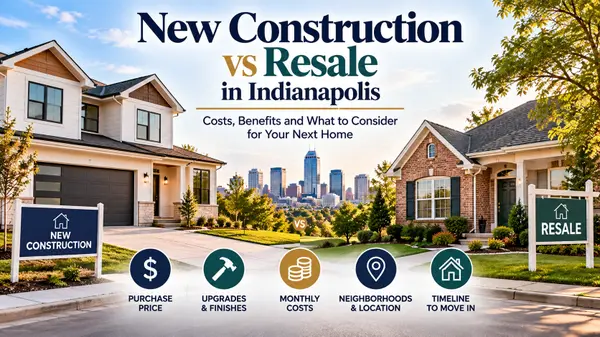
A model home can offer a convenient middle ground between a customizable new build and an established resale property, but each option comes with different costs and responsibilities. If you're still weighing your choices, explore our closer look at new construction and resale homes in Indianapolis to compare builder incentives, financing, maintenance, and move-in timelines before deciding which path fits your goals.
How Model Home Pricing Works in Indianapolis
Model-home pricing is based on the finished package, not simply the base price of the same floor plan. Builders may hold firm when a model has a desirable lot, extensive upgrades, completed landscaping, or a design package that would cost more to recreate. They may show more flexibility when the community is nearing completion, the sales center is no longer essential, or carrying costs become a larger consideration.
Negotiation can focus on more than price. Buyers may see closing-cost credits, included appliances, selected furnishings, or a leaseback arrangement that gives the builder continued access after closing. Each item should be written into the purchase agreement, including who maintains the home and what happens if the builder's move-out date changes.
Compare the model against similarly priced completed homes, then review the builder's itemized upgrade list. Confirm current incentives directly with the on-site sales team because programs, eligibility rules, and timelines can change.
The Leaseback Arrangement: What Indianapolis Buyers Should Know
A builder leaseback allows the builder to continue using the model home as a sales office after the buyer closes. It can help a buyer secure a particular home, but it may delay the date the buyer can move in.
The agreement should specify the leaseback end date, rent or purchase credit, access rules, utilities, insurance, maintenance, damage responsibility, and the consequences if the builder does not vacate on time. Duration and compensation vary by builder and community, so verbal assurances are not enough.
Buyers should discuss the leaseback with their real estate agent and an Indiana real estate attorney before signing. They should also confirm that the arrangement fits their lender's occupancy requirements and their insurer's coverage terms.
Financing a Model Home in Indianapolis: What's Different
Financing a model home in Indianapolis can require extra coordination because installed upgrades and a leaseback may affect valuation and occupancy documentation. Builder-preferred lenders may offer credits or rate-related incentives, but buyers should compare those terms with proposals from banks, credit unions, and mortgage brokers.
A model's finished package can be difficult to compare with nearby sales when those sales do not show similar flooring, appliances, landscaping, or smart-home features. Give the lender the builder's written upgrade list and the signed inventory of included items so the valuation reflects the property accurately.
A leaseback must be disclosed before final loan approval. Depending on its duration and terms, some loan programs may treat continued builder possession differently from immediate owner occupancy. A mortgage payment calculator can help buyers estimate payment scenarios, but the lender must confirm the loan structure and documentation requirements.
Is a Model Home Right for You?
- A model home may be a strong fit if you want a completed home without a construction wait.
- A model home may be a strong fit if installed upgrades matter more than selecting every finish.
- A model home may be a strong fit if you can accommodate a documented leaseback period.
- A model home may be a strong fit if the written inclusions support the final price.
- Look elsewhere if you want to customize the floor plan or design selections.
- Look elsewhere if you prefer a home without visitor traffic or sales-office use.
- Look elsewhere if the builder cannot document remaining warranty coverage.
- Look elsewhere if the leaseback timeline conflicts with your move-in plans.
Thinking About Buying a Model Home in Indianapolis?
AMR Real Estate can help Indianapolis buyers compare a specific model home with completed new-construction and resale options. If you have found a model listing or want to understand the terms of a builder's offer, call (317) 506-6925 for a straightforward conversation about the next steps.
Frequently Asked Questions
Are model homes cheaper than other new builds in Indianapolis?
Not always. A model can carry a premium for its lot, installed upgrades, landscaping, and finished presentation, while a builder near closeout may offer concessions to complete the sale. Compare the full contract price and written inclusions with other completed new homes.
Do model homes come with a builder warranty in Indianapolis?
A model may include remaining builder coverage, but the contract controls the effective date, transferability, exclusions, and time left. Request the full warranty documents and confirm whether coverage began at construction completion or at sale.
What is typically included when you buy a model home - does the furniture come with it?
Permanent features such as installed appliances, flooring, cabinetry, fixtures, and smart-home equipment may transfer if listed in the agreement. Staging furniture is not automatically included, so obtain a written inventory of every item that stays or is removed.
How long does it take to close on a model home purchase?
A completed model can close on a conventional purchase schedule once the builder is ready to transfer ownership. When a leaseback is part of the deal, closing may occur before possession, and the agreement should state the builder's required move-out date.
Should I use the builder's lender or find my own when buying a model home in Indianapolis?
Compare both options before choosing. A builder-affiliated lender may offer an incentive package, while a bank, credit union, or mortgage broker may provide different pricing or more flexibility for the proposed leaseback terms.
Categories
Recent Posts