How to Choose the Right Neighborhood for a Military Family

How to choose the right neighborhood for a military family in Indianapolis begins with finding a location that works for your commute, daily routines, and potential changes in orders. The best fit is not simply the home with the most appealing photos. It is the place that makes work schedules, school logistics, errands, and family time more manageable throughout your tour.
For military and VA homebuyers, a neighborhood choice can shape daily life from the first week after a PCS through a later move, sale, or rental decision. Indianapolis offers a wide range of housing styles, community settings, and ownership considerations, and the nearby Hamilton County cities of Fishers and Carmel add more suburban options for households whose routines lean north. Because the choices are broad, it helps to compare each area using the same priorities. Focus on the practical details that affect your household most: travel patterns, school options, access to essentials, community character, and flexibility for the future.
A home can look right on paper yet create unnecessary friction once routines begin. Before narrowing your search, write down your nonnegotiables and separate them from preferences. For example, a shorter drive to work may matter more than a larger yard, while another family may prioritize childcare access, room for visiting relatives, or a community with parks nearby. This process gives each home and neighborhood a clearer role in your decision.
Start With Your Commute: How to Choose the Right Neighborhood for a Military Family
A workable commute is one that fits your real reporting times, not just a map estimate from the middle of the day. Distance alone does not show the effect of congestion, construction, school traffic, rail crossings, weather, or installation gate access. A route that feels simple on a quiet afternoon can be much different during an early departure or a late return home.
For a sense of scale, workers living in Indianapolis averaged a 24.6-minute one-way commute in the U.S. Census Bureau's 2020-2024 American Community Survey estimates. That average is a starting reference only. Your own number depends on where you report, when you leave, and which roads you rely on.
Test likely routes during the times your household expects to travel whenever possible. If you are already stationed elsewhere, ask for a video drive that shows the route from the neighborhood to major roads and common destinations. A local perspective can help identify alternate routes, regular slowdowns, parking challenges, and intersections that may affect a daily routine.
Think beyond one person's drive as well. The location that shortens a service member's commute may add time to school drop-offs, childcare, healthcare appointments, grocery trips, or a spouse's work schedule. List the places your household expects to visit every week, then compare how each potential neighborhood connects to those destinations. A family weighing a home in Fishers or Carmel against one inside Indianapolis, for example, may find that the better choice depends less on the reporting location and more on where the rest of the week happens.
Weather is another practical part of commute planning in Central Indiana. Winter conditions and heavy rain can change how long a drive feels, particularly when a route depends on a single major road or a difficult parking situation. Consider driveway access, street drainage, street parking, and whether there are several reasonable ways to reach the places you need to go.
Consider School Options
School planning should begin with the enrollment choices tied to a specific address rather than assumptions about an entire neighborhood. Families can compare attendance boundaries, grade configurations, transportation, program availability, before- and after-school care, and the timing required for drop-off and pickup.
Start with official information for every address you are seriously considering. Within Indianapolis, an address may be served by Indianapolis Public Schools or by one of the township school districts, so confirm which district covers the home before comparing individual schools. Indianapolis Public Schools offers school-zone and enrollment information for families exploring their options.
Enrollment in Indianapolis is also changing. Beginning with the 2027-28 application cycle that opened in November 2026, IPS no longer uses Enroll Indy, the shared enrollment platform it previously used alongside most of the city's charter schools, while many charter schools continue to use it. Families comparing district and charter options may need to follow more than one application process and calendar, so confirm deadlines directly with each school system before making a housing decision.
If Fishers or Carmel is on your list, the same address-first approach applies. Most Fishers addresses fall within Hamilton Southeastern Schools, and Carmel addresses are served by Carmel Clay Schools. Both districts publish boundary and enrollment information, and checking the specific address is more reliable than going by a city name or a listing description.
If your child needs particular academic programs, support services, activities, or scheduling accommodations, ask those questions early. It is easier to compare neighborhoods when you understand the school routine before becoming attached to a particular property. A home may have an appealing layout and a convenient work commute but still create a difficult weekday schedule if school transportation or enrollment arrangements are not a good fit.
Military families can also speak with an installation school liaison officer for transition-related guidance. These professionals can help families understand school transition considerations and identify questions to raise during a PCS. Conversations with local parents can add useful day-to-day context, but official school resources should remain the foundation for decisions involving enrollment and transportation.
Look at Everyday Amenities
A convenient neighborhood makes routine errands easier to handle week after week. Grocery stores, pharmacies, parks, childcare, healthcare providers, libraries, fitness options, and recreation can all influence whether a location feels practical after the initial excitement of moving has passed.
Make a short list of the places your household uses most often, then compare the drive from each neighborhood. A nearby grocery store may matter more on a busy weekday than a large shopping district farther away. Families with younger children may place more weight on parks, childcare availability, and routine medical care. Others may prioritize restaurants, gyms, libraries, cultural activities, or space for weekend recreation. Looking through neighborhoods and homes in Fishers next to options inside Indianapolis can help you see how amenities and housing styles differ from one area to the next.
Healthcare deserves its own review. Identify routine-care offices, urgent-care locations, emergency services, and any specialists your household may need. The closest location is not always the most useful if the route is inconvenient or the hours do not work with duty schedules.
When you visit in person, drive beyond the property line. Follow a likely grocery route, pass a nearby park, and notice how long everyday stops take. These small observations often reveal more about a neighborhood's fit than a listing description can.
Get a Feel for the Community
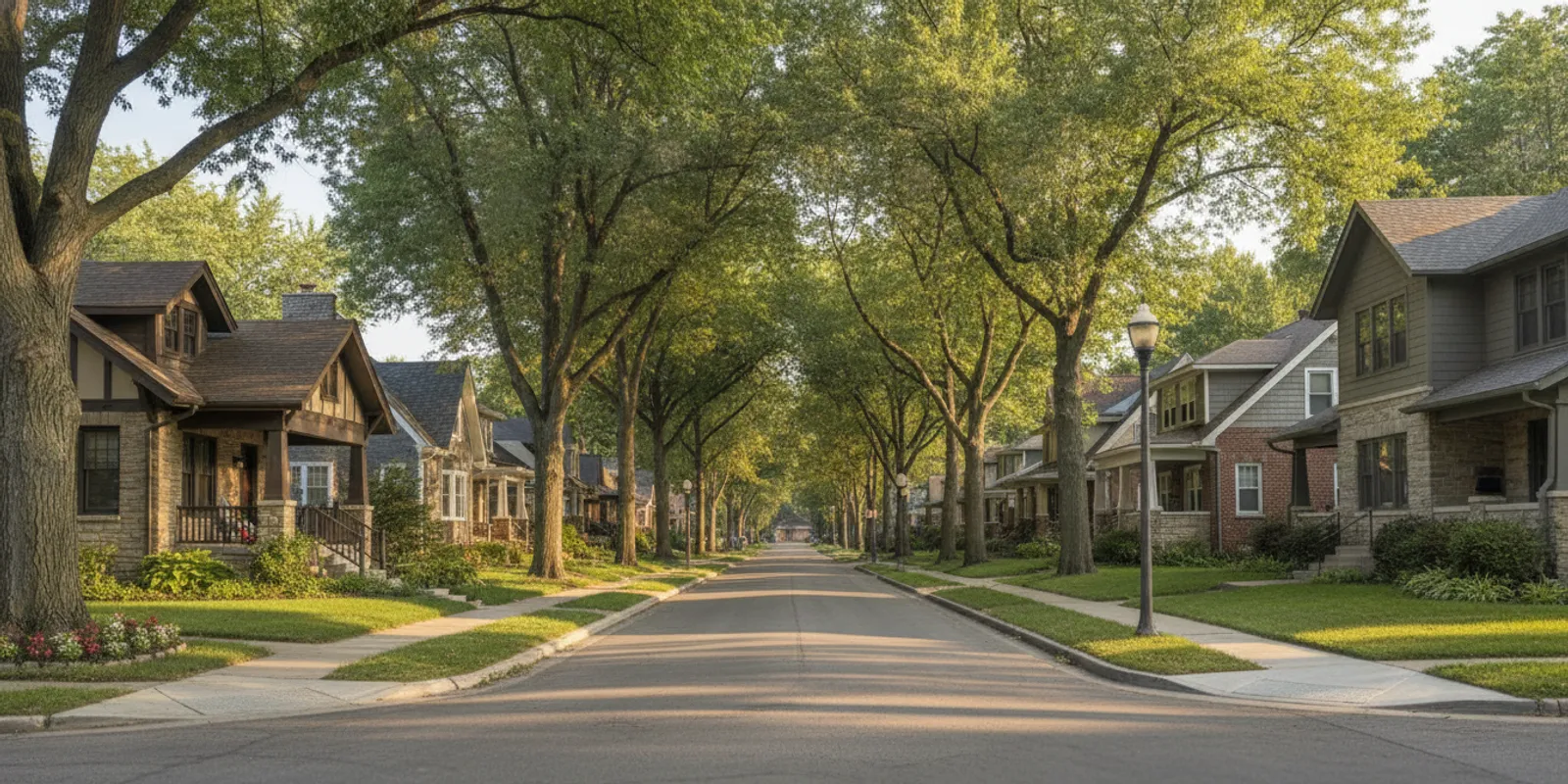
The right community atmosphere is the one that supports your family's preferred balance of connection, privacy, and routine. Some military families appreciate neighbors who understand PCS timelines, deployments, and the need to build a support network quickly. Other households prefer a broader mix of long-term residents and military-connected families. Neither choice is automatically better.
Visit at different times of day if you can. A weekday evening and a weekend visit can show parking patterns, street activity, noise levels, maintenance habits, and how residents use outdoor spaces. These details are not judgments about a neighborhood. They are practical clues about whether the setting aligns with your household's expectations.
If a property has a homeowners association, review its rules and fees carefully. Many newer subdivisions in Fishers, Carmel, and parts of Indianapolis have associations, and their standards can affect exterior changes, parking, pets, shared amenities, and rental policies. These rules may create consistency and provide useful features, but they also shape how you can use the property. Make sure the expectations suit your lifestyle and leave room for the flexibility your family may need.
Think About Resale and Rental Appeal: How to Choose the Right Neighborhood for a Military Family
Resale and rental flexibility are generally stronger when a home can appeal to more than one type of future household. No location can guarantee a future sale or rental outcome, but practical features and a useful location can help a property remain broadly appealing if new orders arrive sooner than expected.
Look for qualities that support common daily routines: functional layouts, sufficient storage, accessible parking, reasonable access to services, usable outdoor space, and a location that works for typical commute patterns. A home designed around a very narrow preference can be harder to position later than one that works for a variety of households.
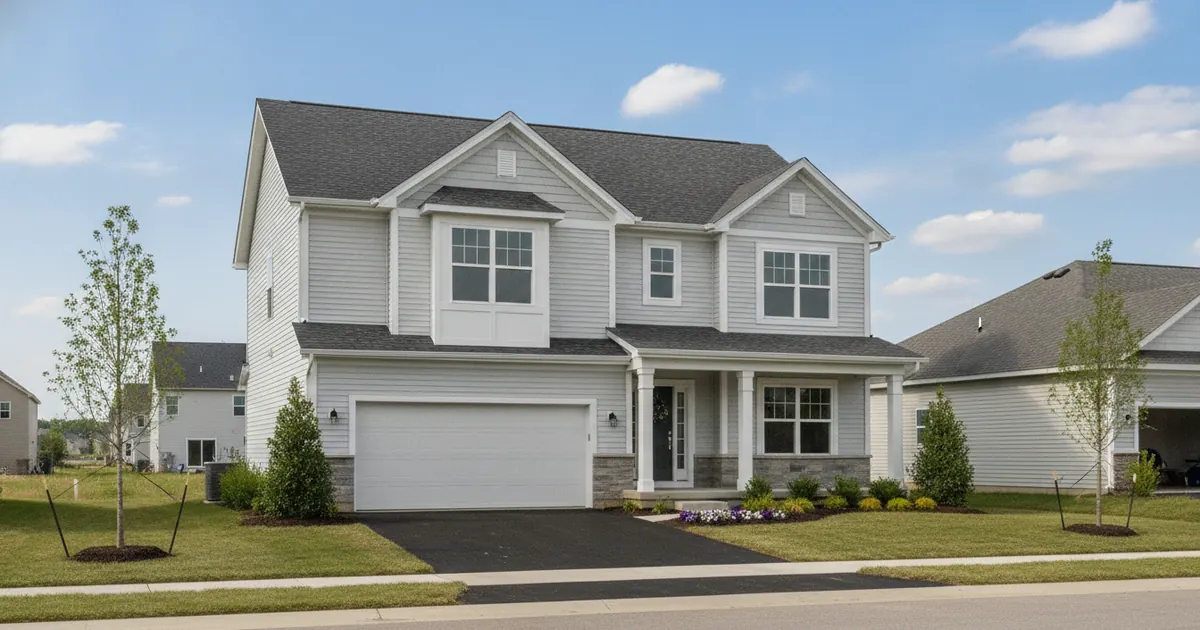
Property condition matters too. A well-maintained home can be easier to manage if you need to relocate on a schedule. Consider the age and condition of major systems, exterior maintenance needs, storage capacity, and the amount of ongoing work the property may require during ownership. Some families find that lower-maintenance housing styles such as patio homes, townhomes, and condos are easier to own from a distance, while others prefer the space of a detached home.
Rental potential is best treated as a future option rather than an automatic plan. Review association rules and applicable local requirements that could affect leasing, then consider whether the layout, maintenance needs, nearby amenities, and location would be practical for a future tenant. If you expect to keep the home after your next PCS, it also helps to know early whether you would self-manage or rely on local property management for tenant screening, rent collection, and repairs.
Research Remotely When You Cannot Visit
Remote neighborhood research is most effective when you use the same comparison process for every location. Begin with a written list of must-haves, preferences, and deal-breakers. This keeps one attractive feature, such as a renovated kitchen or large backyard, from outweighing the factors that will matter most after move-in.
| Comparison item | What to review remotely |
|---|---|
| Commute | Likely drive times, alternate routes, road conditions, and gate access |
| School logistics | Serving district, enrollment process and deadlines, transportation, grade levels, and program needs |
| Daily amenities | Grocery stores, parks, childcare, healthcare, and errand routes |
| Home condition | Exterior upkeep, storage, parking, major systems, and lot usability |
| HOA rules | Fees, parking, pets, exterior standards, amenities, and rental policies |
| Future flexibility | Layout, location, maintenance needs, and broad resale or rental appeal |
Request detailed video tours that show the approach to the home, surrounding streets, parking, nearby intersections, exterior condition, and features that are difficult to assess in photos. A thorough walk-through can also help you evaluate room flow, natural light, storage, and the connection between living spaces.
Street-view tools can provide helpful context, although imagery may not reflect current conditions. Pair online research with local insight about commute patterns, neighborhood character, and practical differences among locations. When your priorities are set, you can browse current Indianapolis-area listings with a clearer filter, and an affordability calculator can help you compare how different home prices may fit into your overall budget.
In the end, how to choose the right neighborhood for a military family in Indianapolis comes down to comparing every location against your commute, school needs, daily routines, community preferences, and future flexibility. The goal is not a perfect neighborhood. It is a home base that supports the way your family will live during this assignment.
Talk Through Your Neighborhood Shortlist
Comparing neighborhoods from another duty station is easier with someone on the ground who can drive the routes, walk the streets, and point out details that photos miss. Anthony Robinson, CEO and Managing Broker of AMR Real Estate, and the AMR team work with military and VA buyers across Indianapolis, Fishers, and Carmel, bringing more than 16 years of local experience to commute checks, live video tours, and home comparisons.
If you would like a second set of eyes on your shortlist, call (317) 537-2130, email anthony.robinson@amr.group, or send a message online.
Frequently Asked Questions
How do I research neighborhoods before my PCS?
Research neighborhoods before a PCS by reviewing virtual tours, route maps, official school information, and local guidance using the same criteria for every area. Compare commute patterns, access to errands, parks, healthcare, childcare, community rules, and home condition instead of relying only on listing photos.
Should I live in a neighborhood with other military families?
Living near other military families may help some households build connections quickly, but it is not necessary for a successful move. Some families value shared PCS experience, while others prefer a wider mix of residents. Choose the environment that best supports your family's social needs and preferred pace of life.
How important is commute time?
Commute time is important because it affects the household schedule every day. Review likely travel periods, account for traffic and weather, and identify alternate roads when possible. A realistic commute can create more room for family routines, errands, and rest.
How do I know which schools serve a specific Indianapolis address?
Start by confirming which school district serves the address, since homes in Indianapolis may fall within Indianapolis Public Schools or a township district. Then check that district's enrollment tools and deadlines. For the 2027-28 school year, IPS and many charter schools use separate application systems, so confirm each process directly.
What makes a neighborhood good for resale?
A neighborhood can support resale appeal when it offers practical location advantages, nearby everyday amenities, and homes that work for a range of future buyers. Functional layouts, accessible parking, manageable upkeep, and convenient routines can all strengthen a property's broader appeal.
Categories
Recent Posts