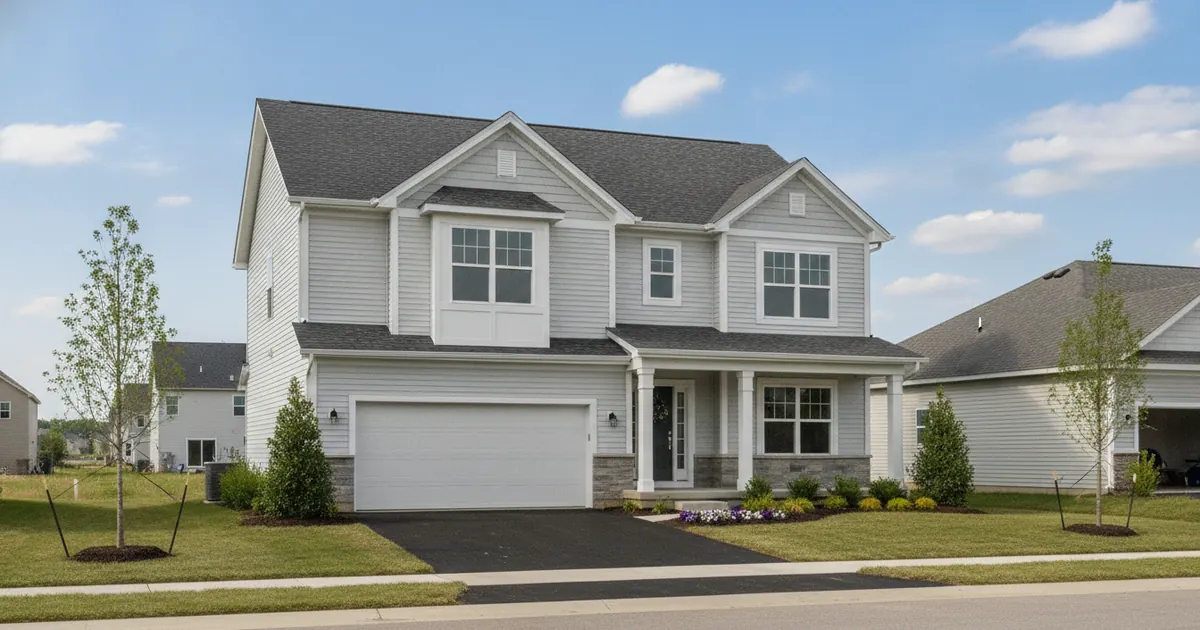
Zionsville Homes for Sale: How to Evaluate the Market and Neighborhood Fit

Searching for Zionsville homes for sale takes more than saving attractive listing photos. A useful search weighs location, daily routines, property condition, and the full cost of ownership together. Use the steps below to narrow your options and make each tour more informative.
Connect with an agent about your home search
How do you decide which part of Zionsville fits?
Start with your normal week. List the places you expect to travel to regularly, such as work, school, family, shopping, or activities. For each home, consider the route and the time of day you would make the trip. A map can show distance, but it cannot tell you whether the drive feels manageable during your routine.
Look at the immediate setting, too. Consider street traffic, sidewalk access, nearby services, parking, and the amount of outdoor space you want. If you are comparing a home near community destinations with one on a quieter residential street, identify which trade-offs matter most to your household. When possible, visit the area at different times of day and notice noise, traffic flow, and how the block feels.
Write down non-negotiables separately from preferences. A minimum number of bedrooms or a workable commute might be essential. A finished basement or larger yard may be a preference. This distinction helps you avoid letting one appealing feature distract you from a requirement that will affect daily life.
How can you research asking prices?
An asking price is a starting point, not a complete measure of value or total cost. Compare homes with similar characteristics: approximate size, age, layout, condition, and location. A property with recent improvements may not be directly comparable to one that needs repairs. Lot size, storage, parking, and usable living space can also shape how relevant a comparison is.
Keep a consistent record for each property. Note the asking price, features you value, visible maintenance needs, and questions that require follow-up. If two homes differ substantially, write down the differences rather than treating them as direct substitutes. Recent comparable sales can provide context, but they do not guarantee what a particular home will sell for.
Set a comfortable budget before touring. Consider more than a potential mortgage payment: taxes, insurance, utilities, upkeep, and any association costs may affect affordability. A lender can provide estimates based on your circumstances. AMR provides buyer brokerage and home-search assistance, but does not originate mortgages or approve loans. For general consumer information about financial decisions, see the Consumer Financial Protection Bureau; consult a lender for estimates specific to you.
What should you look for during a showing?
Photos and listing details help you decide what to see, but a visit lets you judge how the home works for your needs. Notice how rooms connect and imagine where you would work, store everyday items, host guests, and handle household routines. Pay attention to natural light, ventilation, visible wear, and whether the layout suits your plans.
- Ask about the known condition and age of major systems and appliances, and request available records where appropriate.
- Note visible water staining, unusual odors, cracks, or repairs that you want a qualified professional to assess.
- Confirm what is included in the sale and which details need verification through documents or inspections.
- Consider likely upkeep and improvement needs alongside the purchase price.
A showing is not a technical inspection. If you move forward, discuss inspection options and contract deadlines with your agent. Use qualified professionals for evaluations that require specialized expertise. The questions will vary by property: for an older home, you may want to learn about system condition and prior work; for a home with substantial outdoor space, consider how ongoing maintenance fits your plans.
How can you make tours easier to compare?
Choose a manageable shortlist instead of trying to see every available property at once. Before each tour, review the listing and prepare two or three questions. Afterward, make notes while your impressions are fresh: what worked, what did not, and what needs investigation. Using the same checklist for every home makes comparisons more useful than relying on memory alone.
A simple scorecard can separate practical fit from first impression. For example, rate each home on commute, layout, condition, outdoor space, and budget using the same scale. Add a short explanation beside each rating. A lower score does not automatically rule out a home; it highlights a trade-off to discuss. If a property is a contender, ask your agent what information is available and what next steps or timing may apply.
Bring the people who will help make the decision when practical, and agree in advance on how you will evaluate each home. Avoid rushing because a property looks polished or because it has one feature you liked elsewhere. Return to your needs, budget, and questions before deciding whether to take the next step.
What should you understand before making an offer?
Review the home's details, your financing plan, and your priorities with your real estate agent. Ask what information is confirmed, what remains uncertain, and which contract terms need careful attention. An offer should reflect your circumstances and the specific property, not a generic formula. Your agent can explain the transaction process and help you prepare questions; your lender and other qualified professionals can address matters within their roles.
Keep a practical record of your decision: why the home fits, what concerns remain, and which conditions or deadlines you need to understand. This helps you compare the opportunity with other options. If the property does not meet your needs or the terms do not work for you, continue your search rather than treating one showing as your only chance.
For more help with the buying process, explore AMR Real Estate's home search and buyer resources and reach out to discuss your plans.
Contact AMR Real Estate to discuss your search
A strong Zionsville home search balances the address, the home's condition, and the full cost of ownership. Set priorities, tour with useful questions, and get qualified guidance on financing and inspections so your decision reflects both the property and your day-to-day life.
Categories
Recent Posts