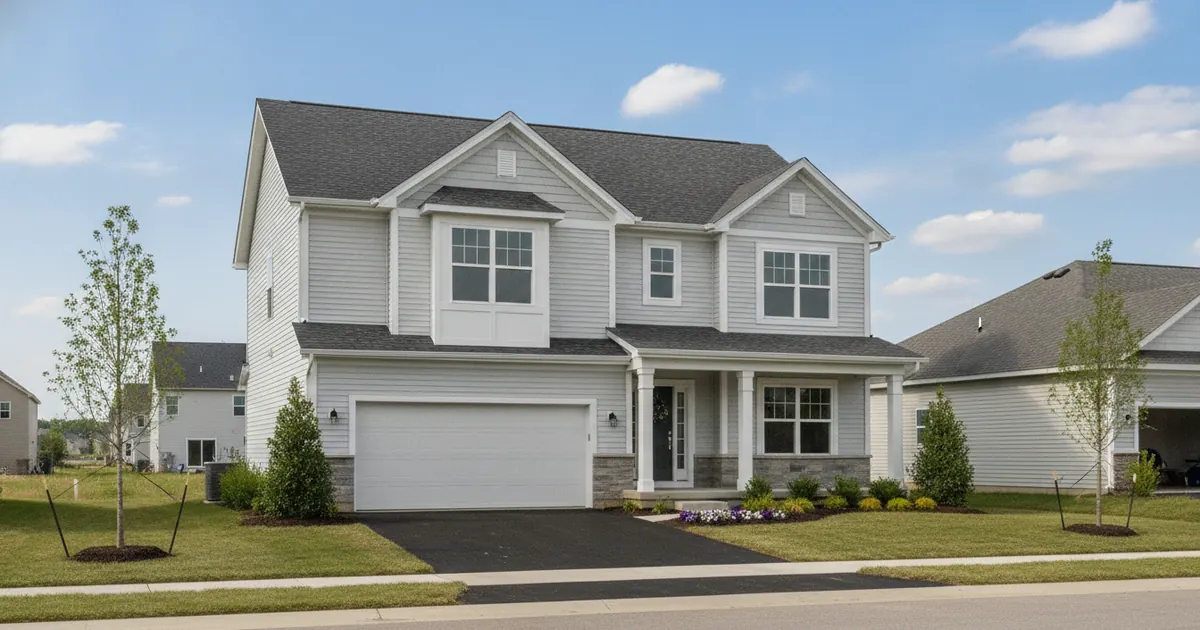
Fishers Indiana Homes for Sale: Areas, Budgets, and Search Tips
Searching for fishers indiana homes for sale is more manageable when you begin with how you want to live, not with an endless list of filters. Set a comfortable budget, decide which features matter most, and compare each property using the same practical criteria. A clear process helps you make useful comparisons without assuming every listing, price, or home type will fit your plans.
Talk with an AMR Real Estate agent
Start with your routines, not the listing photos
Before you browse, write down what a home needs to support. Consider the number of bedrooms and work areas you use, storage needs, outdoor space, and how much maintenance you are comfortable taking on. Separate essentials from preferences. A quiet place to work may be essential, while a particular countertop finish may be a preference.
Think about regular travel, too. List the trips you make for work, school, family, or other commitments. Decide what travel time feels workable, then check important routes at the times you would usually travel. A quiet-hour estimate may not reflect your normal routine.
Keep your search area focused but flexible. Compare homes in Fishers and nearby Central Indiana against consistent priorities: travel needs, usable space, property condition, and likely monthly costs. A wider search may show alternatives, but too many locations can make comparisons less useful. Keep notes on why an area works for you rather than relying on a neighborhood label alone.
Compare home types by their trade-offs
Depending on current availability, your search may include detached homes, townhomes, or condominium-style properties. The label alone does not tell you whether a home is a good fit. A detached property may offer more separation or outdoor space, while a shared-property arrangement may have different maintenance responsibilities. Details vary by property, so review the available documents and ask what rules, costs, and duties apply.
- Space and layout: Compare room dimensions and how rooms connect, not just bedroom count. Picture where you will work, store belongings, and spend time together.
- Upkeep: Ask which exterior and common-area tasks are yours. Check whether recurring association dues or rules apply.
- Condition: Note visible wear and ask what information is available about repairs, updates, and major systems.
- Flexibility: Consider whether the layout can support likely changes in household size or routine.
Listing photos can help you narrow a search, but they cannot answer every question. A floor plan, disclosures, a walkthrough, and appropriate inspections offer different information. Do not assume a photo establishes a feature's condition or that an advertisement settles what is included in a sale.
Plan for the full cost, not only the asking price
Begin with a monthly amount you can manage, rather than the highest price a calculator suggests. A purchase may involve principal and interest along with property taxes, insurance, utilities, maintenance, closing expenses, and possible association dues. Which costs apply, and how much they are, can vary by property and financing arrangement.
Use affordability calculators as planning aids, not as a loan decision, approval, or quote. AMR offers practical search and affordability tools, but a calculator does not approve financing or determine final costs for a specific home. Discuss your circumstances with a qualified lender and request figures based on the property and loan terms you are considering. For consumer education as you consider mortgage questions, consult the Consumer Financial Protection Bureau.
Before touring, set a price range that leaves room for costs that can differ between properties. When comparing two homes, record recurring expenses separately from one-time purchase costs. For example, one home may appear to fit your price limit but have association dues or maintenance needs that change the monthly picture. Verify taxes, insurance, dues, and other property-specific amounts with the appropriate sources.
A simple worksheet can make the comparison concrete. Write the asking price at the top, then make separate lines for estimated monthly financing, taxes, insurance, utilities, association dues if applicable, and a maintenance allowance that you determine for your situation. Mark any figure that is still unverified. This prevents an estimate from quietly becoming a fact as you compare homes.
Use the same checklist on every tour
It is easy to remember one home's kitchen and another home's yard, then lose track of details that matter. Make a note for each property with the address, asking price, tour date, standout features, follow-up questions, and your initial impression. Take photos only when permitted.
- Walk through the layout as if you were following a normal day. Check entrances, storage, and the path between frequently used rooms.
- Notice visible concerns such as signs of moisture, damaged finishes, or aging components. Record them as questions for follow-up, not as a substitute for inspection.
- Ask what stays with the home and whether advertised features have conditions or restrictions.
- Consider noise and the setting. If those factors matter, ask whether another visit at a different time is possible.
- After the tour, rate the home against your must-haves and budget before moving to the next property.
A repeatable scoring method can help. Rate layout, condition, location fit, and confidence in the monthly costs from one to five, then add a short note explaining each score. If a home scores well on layout but you still have questions about a major system or recurring cost, record that uncertainty rather than treating the score as a final decision.
Make your online search more useful
Use filters to remove homes that clearly miss essential requirements, but avoid narrowing results around preferences that could be flexible. If a filter produces very few options, revisit it one setting at a time. This helps you see whether the limiting factor is price, location, property type, or a particular feature.
AMR's home search and neighborhood resources can help you explore available discovery tools. Treat listing pages as a starting point: a home appearing in a search does not by itself mean AMR listed it or represents its seller. Confirm current availability and property details before relying on them.
Keep a shortlist in three groups: strong matches, possible matches with questions, and homes that do not fit. This is more useful than saving every appealing photo. For each possible match, write down what information would change your view, such as clarification about shared costs, included features, or the condition of a component.
Ask questions that move your search forward
A productive conversation should clarify your priorities and possible next steps. Consider asking:
- Which search filters fit my essential needs, and which might be too restrictive?
- What should I verify about a home's condition, taxes, association, or included features?
- How can I compare the costs and trade-offs of the homes on my shortlist?
- What steps and documents should I understand before deciding whether to make an offer?
- How does buyer representation work, and what terms should I review?
AMR Real Estate provides buyer brokerage and home-search assistance. Ask directly about representation and the information available for a specific property. A listing displayed in a search is not evidence by itself that AMR represents the seller.
Connect with an AMR Real Estate agent
Frequently asked questions
How should I begin searching for homes in Fishers?
Set a comfortable budget, list essential needs, and decide which travel patterns matter. Use those priorities to guide your filters, then compare each home consistently during tours.
Should I focus on one type of home?
Not necessarily. Compare property types that fit your needs and budget, and check the maintenance responsibilities, shared costs, and rules for each specific property.
What should I budget for besides the purchase price?
Consider financing costs, property taxes, insurance, utilities, maintenance, closing expenses, and any applicable association dues. Confirm property-specific figures and discuss financing with a qualified lender.
Does AMR represent every home shown in a search?
No. A home appearing in a search is not by itself evidence that AMR listed it or represents its seller. Ask an agent about representation and the information available for a particular property.
A thoughtful home search is a series of useful comparisons, not a race to tour every available property. Keep your priorities and budget in view, verify important details, and choose your next step once you understand how a home fits your plans.
Categories
Recent Posts